PXG Sugar Daddy III Wedge Review: Worth The Money?
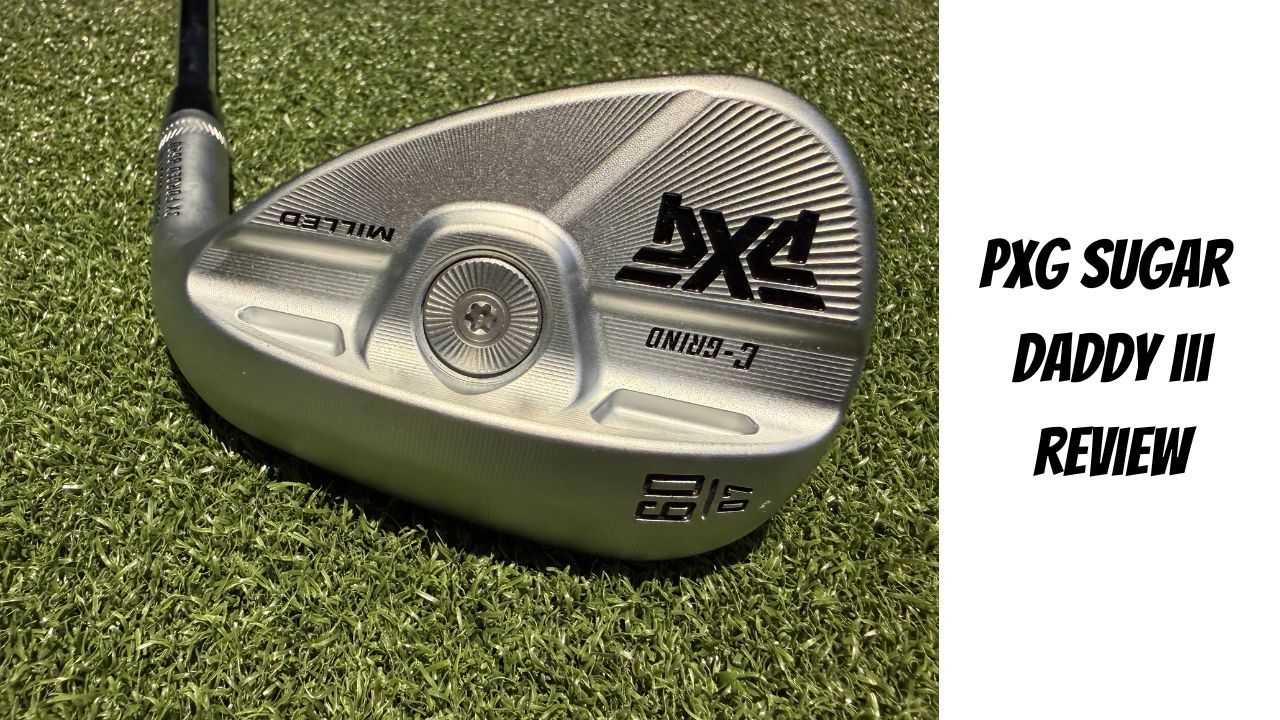
I'll be honest—this wasn't a change I expected to make.
I've played Titleist Vokey wedges for over two decades. In fact, I believe I owned one of the original Vokey wedges back in the early 2000s and have had some version of them in my bag ever since.
As a competitive golfer and founder of Wicked Smart Golf, I don't change equipment often. If something is working, I tend to stick with it.
But during my most recent PXG fitting, I decided to explore some different wedge options. What started as curiosity quickly turned into one of the biggest equipment changes I've made in years.
After testing the PXG Sugar Daddy III wedges, I loved the look, feel, customization options, and overall performance. Before long, my longtime Vokeys were officially retired.
Here's my honest PXG Sugar Daddy III wedge review after making the switch.
PXG Sugar Daddy III Wedge Review
Before sharing more about the Sugar Daddy III review, let’s talk about why wedges are so important to shooting lower scores.
Most golfers obsess over drivers and irons. But wedges are where scores are saved, especially for amateur golfers. Even if you can’t hit it 300 yards like the pros, you can dial in your short game.
The right wedges can help you:
- Improve distance control
- Create consistent gapping
- Increase spin around the greens
- Improve bunker play
- Save strokes from 120 yards and in
Just as important are the specifications most golfers ignore:
- Shaft selection
- Lie angle
- Loft gapping
- Bounce
- Grind
A properly fit wedge setup can make an enormous difference without changing your swing.
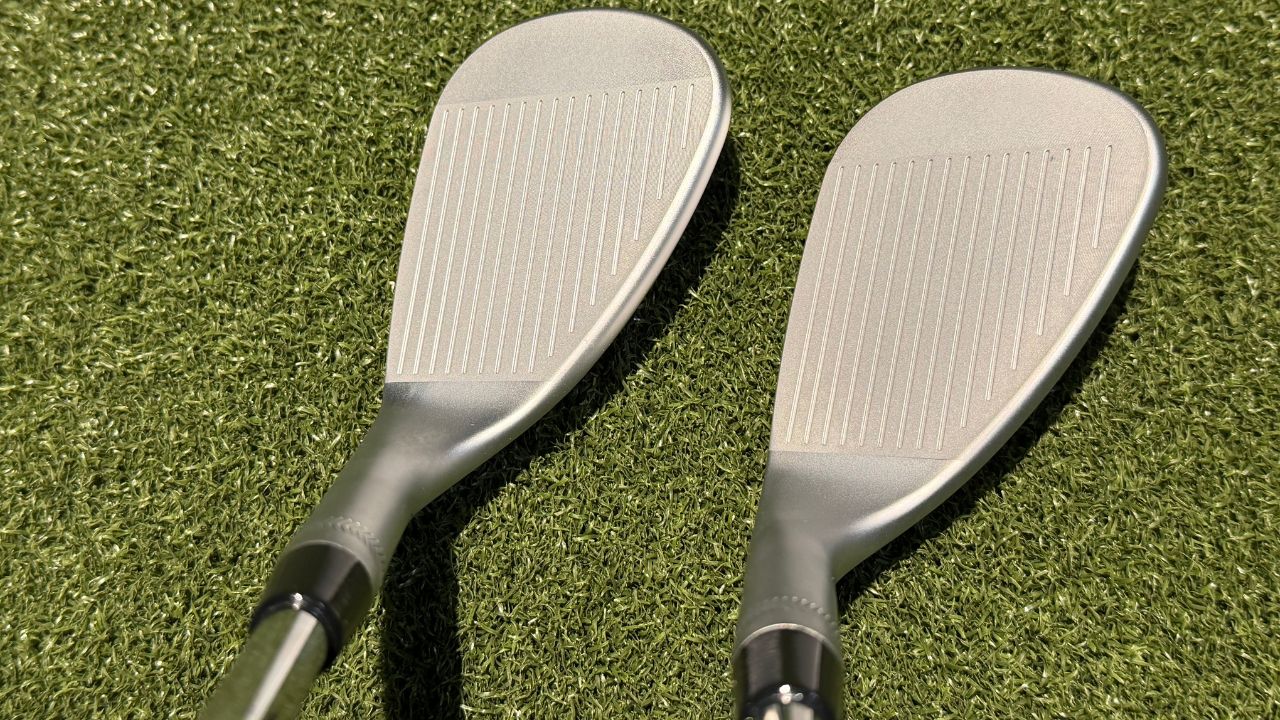
Key Features of the PXG Sugar Daddy III Wedges
While I always encourage golfers to focus on performance over marketing, PXG made some meaningful improvements with the GEN8 lineup that helped convince me to move on from my beloved GEN5 irons. Here are some of the standout technologies and why they matter:
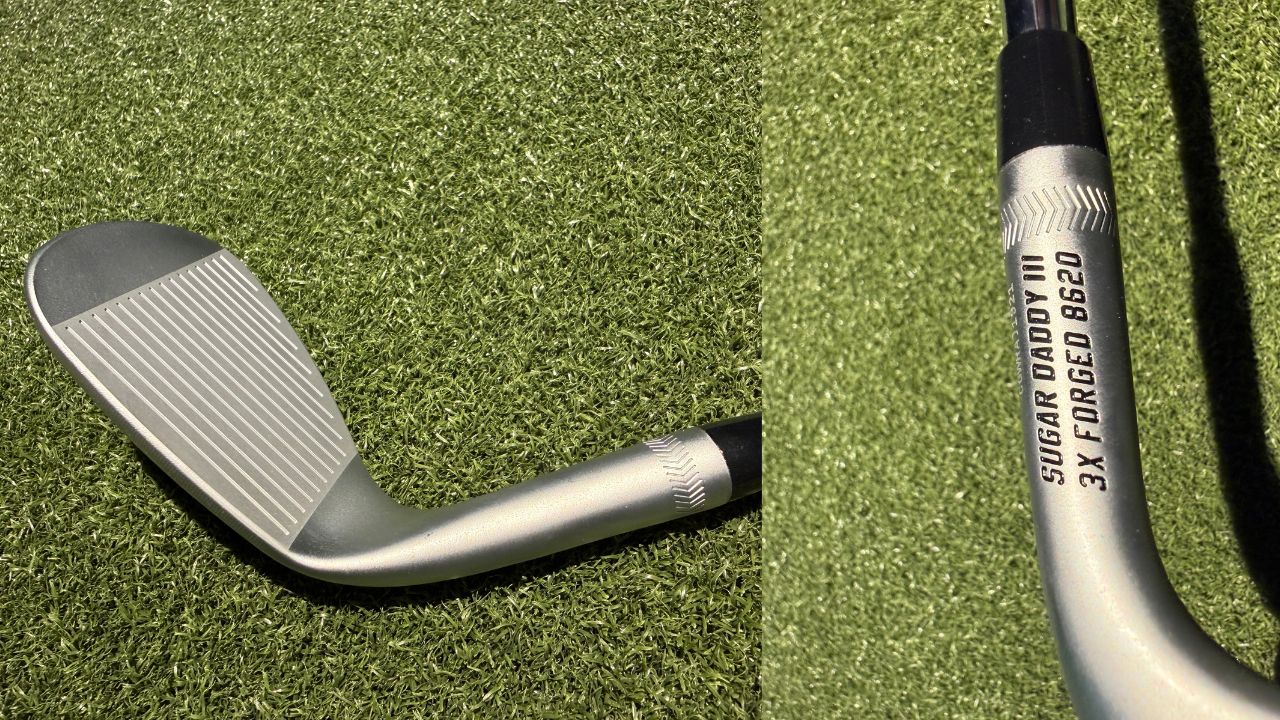
3X Forged Design
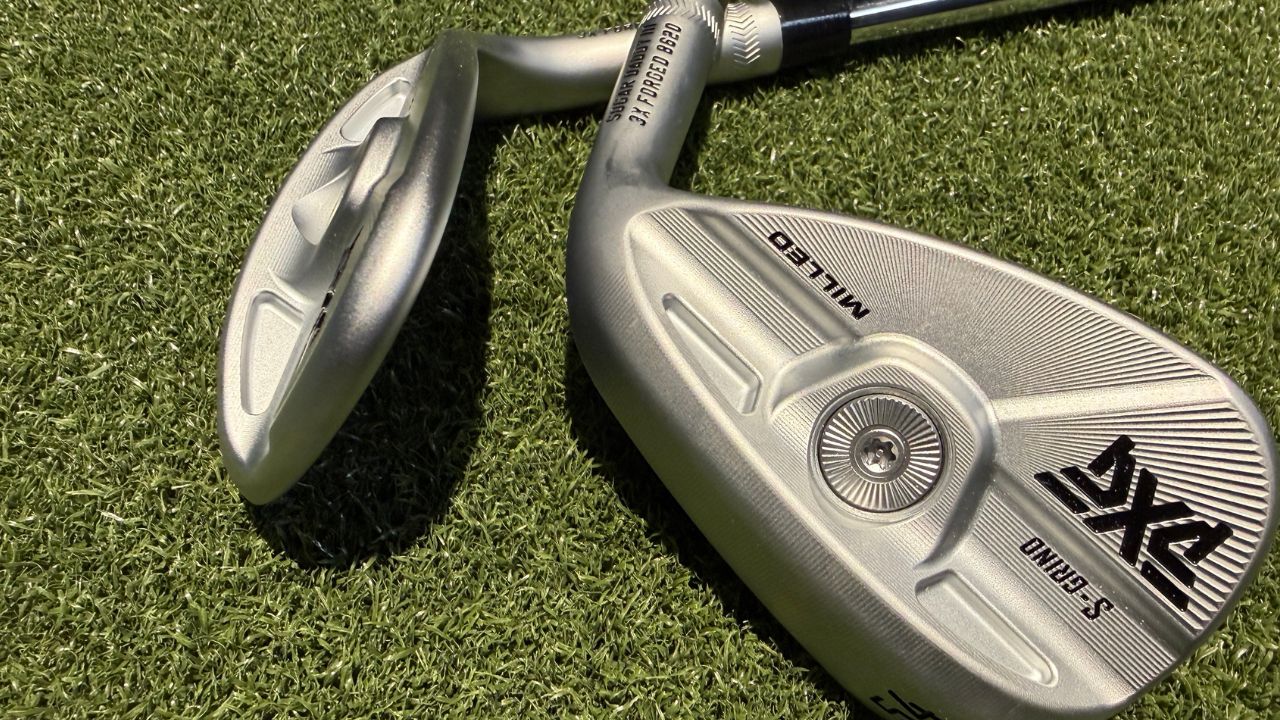
PXG uses a triple-forged 8620 soft carbon steel construction that creates an incredibly soft feel at impact. This was one of the first things I noticed during testing. The wedges feel solid, responsive, and provide excellent feedback without feeling harsh.
The Sugar Daddy III wedges are available in either chrome or black. Personally, I wanted the black finish, but desert golf here in Arizona rips clubs up, so I opted for the chrome version. But both look great from any angle.
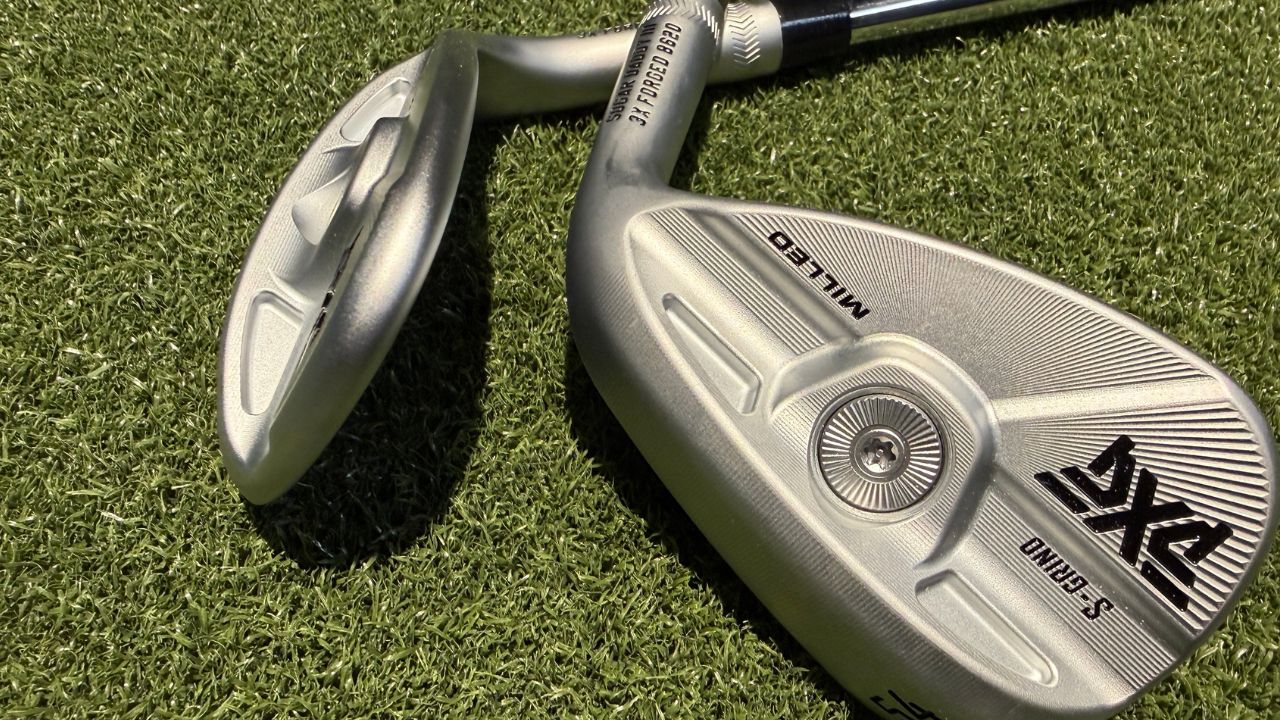
100% CNC Milled Precision Weighting Technology
Each Sugar Daddy III wedge is fully CNC milled to ensure consistency throughout the face and sole.
The precision milling creates extremely tight manufacturing tolerances, which helps produce predictable spin and distance control.
For golfers who value consistency, this is a huge benefit.
Full Face Grooves (BP Grind)
One unique feature of the Sugar Daddy III wedges is the availability of full face grooves, but it's important to note that this option is only available on the BP12 Grind in the 54°, 56°, 58°, and 60° lofts.
The benefit of full face grooves is simple: they help maintain spin and control on shots struck toward the toe, which is especially helpful when opening the face for bunker shots, flop shots, and other specialty shots around the green.
If you've never played a wedge with full face grooves before, it may look a little different at address initially. The grind options I got don’t have a full face, but for mid- to high-handicappers, this is a huge benefit.
6 Lofts Available
The Sugar Daddy III lineup is available in:
- Gap wedges: 50° and 52°
- Sand wedges: 54° and 56°
- Lob wedges: 58° and 60° (no 62°, but I don’t think most golfers should play them anyway).
This allows golfers to create proper gapping throughout the scoring clubs. I was surprised to hear they don’t offer a pitching wedge, but that’s why I chose the CB version instead.
3 Grinds Available
PXG offers three grind choices:
- BP Grind: The BP Grind is the most forgiving option in the Sugar Daddy III lineup. Featuring a wider sole and additional bounce, it works particularly well for golfers who tend to take larger divots or play on softer turf conditions. The design helps the club glide through the ground and sand more easily, making it a great choice for players looking for maximum forgiveness around the greens and from bunkers.
- S Grind: The S Grind offers a balanced blend of forgiveness and versatility. It's designed for golfers who want reliable performance from a variety of lies without sacrificing consistency. With moderate sole width and bounce characteristics, the S Grind is often a great fit for players who face a mix of turf conditions throughout the year and prefer a wedge that can handle a wide range of shots.
- C Grind: The C Grind is built for golfers who like to get creative around the greens. With more relief in the heel and toe sections of the sole, it allows the clubface to be opened more easily for flop shots, bunker shots, and specialty shots around the green. Players who compete regularly or prefer maximum shot-making versatility will likely appreciate the added workability this grind provides, especially on firmer turf conditions.
Each grind is designed for different swing types, turf conditions, and shot preferences. This is another area where a professional fitting becomes incredibly valuable.
Custom Shafts
One of my favorite aspects of PXG is the customization. You can choose from a wide range of shaft and grip options during the fitting process.
I also upgraded to Tour Issue S400 shafts in the sand and lob wedges. Most golfers can perform perfectly well with the included shaft options, but as a +2 handicap and competitive player, I wanted maximum consistency in my scoring clubs.
Pros
- Multiple loft and grind options
- Premium feel and appearance
- Extensive customization options
- Excellent spin and distance control
- Chrome and black finishes available
- High-quality fitting process and pair well with other PXG irons
- Full face grooves available in some models (ideal for less consistent ballstrikers)
Cons
- More expensive than many premium wedges
- Full-face grooves may take some getting used to (only on high bounce models)
My Experience
The biggest lesson I've learned over the years is that wedges should be fit just as carefully as irons. In fact, I'd argue they're even more important.
My current setup includes:
- PW: PXG CB (46 degrees)
- GW: PXG CB (50 degrees)
- SW: Sugar Daddy III (54 degrees, bent to 55)
- LW: Sugar Daddy III (60 degrees)
The reason is simple. I prefer a little more forgiveness in the pitching and gap wedges while maintaining maximum versatility and shot-making ability in the sand and lob wedges.
One area many golfers overlook is lie angle with wedges. For example:
- Irons: 2° Flat
- GW, SW, LW: 3° Flat
Because wedges are frequently used for partial shots, specialty shots, and shots around the green, lie angle becomes even more important. Getting this dialed in can dramatically improve strike quality, turf interaction, and consistency.
The Sugar Daddy III wedges have given me exactly what I was looking for: great feel, plenty of spin, excellent versatility, and confidence around the greens. Most importantly, they earned a spot in my bag after replacing wedges I'd trusted for more than 20 years.
That's about as strong an endorsement as I can give. Learn more about my PXG Club Fitting review.
Closing Thoughts
Switching away from Vokey wedges after more than two decades wasn't something I expected to do.
But the PXG Sugar Daddy III wedges won me over with their feel, customization options, performance, and versatility.
If you're serious about improving your scoring clubs, I highly recommend getting fit rather than simply buying wedges off the rack.
The right lofts, grinds, shafts, and lie angles can make a bigger difference than most golfers realize.
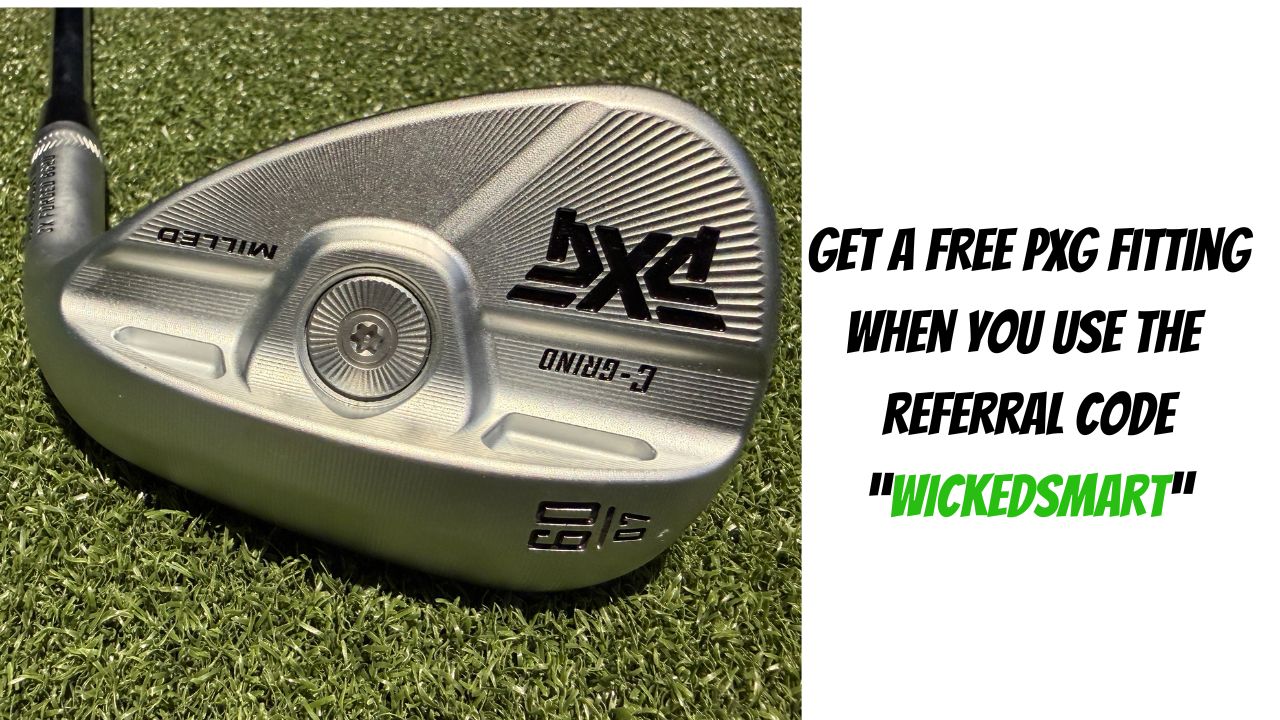
And if you're already considering a PXG fitting, don't forget to use code WICKEDSMART for a FREE PXG fitting and see which setup performs best for your game.