Golf Swing Changes: 7 Steps for Success
Disclaimer: This post may contain affiliate links. As an Amazon Associate, I earn from qualifying purchases—at no extra cost to you.
Let’s face it—making golf swing changes is tough. But sometimes, it’s necessary if you want to break 80 and play more consistent golf.
Now, 99% of my content is about helping you play better without changing your swing. And I stand by that. Most golfers don’t need a new swing—they need a better system.
But if you want to avoid big misses or play more consistent golf, a small tweak here or there might be required. I’m not talking about a complete overhaul…
I’m talking about improving key fundamentals like your grip, setup, or takeaway to create more consistency. The key is making these changes the right way—so you build confidence instead of losing it.
Golf Swing Changes 101
Before we get into the 7-step process to change your golf swing, let’s make one thing clear:
You shouldn’t be changing your swing all the time.
Golf is a scoring game—not a swing contest. The goal isn’t to have a “perfect” swing… it’s to shoot lower scores.
That’s why most golfers get stuck. They keep chasing swing changes instead of learning how to actually play the game.
But… If you are struggling with consistency—missing the same shots over and over, or fighting a major flaw—then a small, intentional change can make a big difference.
The key is doing it with a plan.
Not guessing. Not jumping from tip to tip.
👉 A structured process that helps you improve your swing without hurting your performance on the course
Here’s the exact system I recommend.

Step 1: Get Clear About the Goal
Before you start making any swing change, get clear on what you’re trying to fix and why.
Maybe it’s:
- More consistent ball striking
- Eliminating a slice
- Adding distance
Whatever it is, define it first. This clarity will guide your practice and prevent you from making unnecessary changes that only complicate your swing.
👉 If it’s not broken, don’t fix it.
Timing also matters—a lot. Don’t start a swing change:
- Before a big golf trip
- Leading into a tournament
- Or right at the start of your season
I can’t stress this enough…
The best time to make adjustments is when there’s no pressure—no events, no expectations. Major changes might take weeks (or months) to feel natural, so the offseason is ideal. That’s when you can break bad habits and build something more consistent without worrying about your score.
Step 2: Work With a Coach
If you’re making a meaningful swing change, working with a coach can make a huge difference.
They can:
- Identify the root cause of your issue
- Give you clear, targeted feedback
- Provide drills that actually work
Without guidance, most golfers:
👉 Fix the wrong thing
👉 Overcorrect
👉 Or make the problem worse
A coach helps you stay focused on what actually matters. Once you understand the change and the “why” behind it, you can start working on it independently and reinforce it with structured practice.

Use Training Aids
Once you know the main issue, it’s time to focus on block practice and get one training aid to address your biggest issues. Here are some of my favorites that address common issues among amateur golfers:
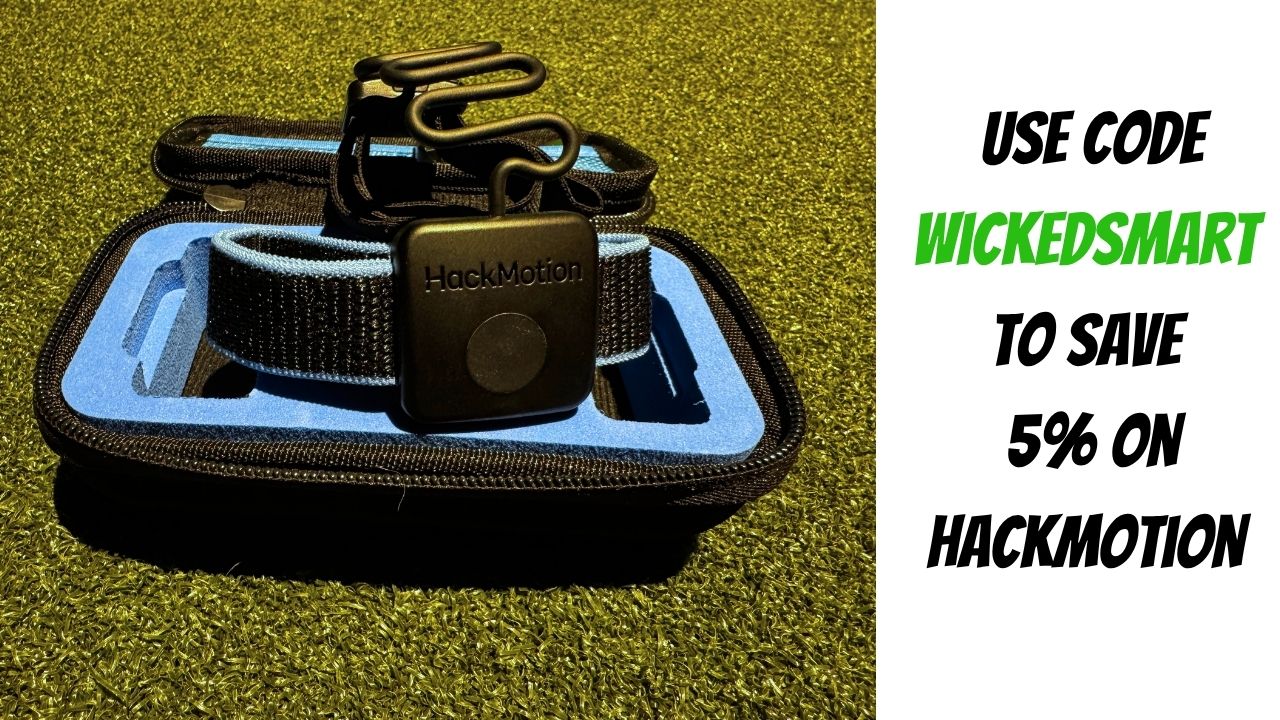
- HackMotion: The best wrist trainer in golf to help you learn more about your angles and improve your strike. Read my full review to learn more now.
- WhyGolf Wrist X: A lower-priced wrist trainer to help you "hear" the right backswing.
- Grip Trainer: Install on an old club and get your hands in the right position (it works for world #1 Scottie Scheffler; it can work for you too).
Step 3: Focus on Feel, Not Flight
When you’re making a swing change, the goal isn’t perfect shots…It’s learning a new movement.
That’s why it’s so important to practice in an environment where you’re not focused on where the ball goes—like a net at home or a simulator with the ball flight turned off.
This helps you focus on feeling, not results. Because here’s what happens to most golfers:
👉 They hit one bad shot, panic, and go right back to their old swing
Or worse…
👉 They get stuck in between—half old swing, half new swing. That’s one of the worst places to be.
Improvement requires some uncomfortable reps. You have to give yourself permission to hit bad shots while you’re learning something new.
If you obsess over ball flight too early, you’ll never fully commit to the change.
Step 4: Use Foam Balls for At-Home Practice
If you want to speed up the process, start practicing at home with foam balls. They’re one of the easiest and most effective ways to work on your swing without worrying about results.
You don’t need a full setup either:
- A backyard
- A garage
- Even a bedsheet if you don’t have a net
Foam balls only travel 20–30 yards, so you can focus entirely on your movement without chasing ball flight. This is something Dr. Luke Benoit, the creator of Rypstick, recommends all the time—and for good reason.
When you combine:
- Foam ball reps
- Video feedback
- And a clear plan
You can make real progress without spending hours (or money) at the range. It’s simple, effective, and perfect for making lasting changes—especially in the offseason.

Step 5: Slow Down and Club Down
One of the fastest ways to make a swing change…
👉 Slow everything down
You should never be swinging at 100% effort when working on something new. In fact, most great coaches I’ve worked with all emphasized the same thing: slow swings create better changes.
Start with:
- Air swings (no ball)
- 50–75% effort
- Focus on movement, not results
The ball can actually get in the way early on. It pulls your attention back to the outcome instead of the change you’re trying to make.
Slowing down allows you to:
- Feel the movement
- Control the club
- Build the new pattern correctly
Also, club down. Use a shorter club, like an 8 or 9 iron. They’re easier to control and help you build confidence as you learn the new motion.
Once it starts to feel natural, then you can add speed and move into longer clubs.
Step 6: Mentally Rehearse Swing Changes
You don’t always need to hit balls to improve your swing. Visualization is one of the most powerful tools for making changes stick.
As Moe Norman, one of golf's greatest ball-strikers, once said, “Visualization and imagination are the keys to my success.” Some of the best players in the world—including Bryson—use mental rehearsal to train their swing without even being on the range.
When you visualize:
- The movement
- The feel
- The outcome
You’re training your brain the same way as physical reps.
One of the best ways to do this now is with apps like Kairo, which use AI-guided visualization to help you build confidence and reinforce changes.
Even 5–10 minutes a day can speed up the learning process.
👉 Combine mental reps with physical practice, and your results will improve much faster.
By practicing swing changes mentally, you’re training your mind to feel the desired movement, accelerating the learning process and helping the change stick. While you still need to put in the time on the range or simulator too, never forget about the power of your mind to create lasting change.
Step 7: Document, Stay Patient, and Trust the Process
If you want to speed up your progress, start recording your swing regularly.
Use:
- Face-on
- Down-the-line
- And slow motion when possible
Video gives you the truth. What you feel vs. what you’re actually doing are usually very different. Recording your swing helps you close that gap faster and stay on track with your changes.
It also gives you proof of progress, which is huge for building confidence as you go.
But most importantly…
👉 Be patient
You’ve likely been swinging the same way for years (or decades), so it’s normal for changes to feel uncomfortable at first.
Some days it’ll click. Other days it won’t.
That’s part of the process. Stay consistent, trust what you’re working on, and give it time to stick.
My Experience
As a +2 handicap, I rarely work on swing changes anymore. And honestly, once I got down to around a 5 handicap, I stopped focusing on them almost entirely.
Instead, I shifted my focus to the things that actually lower scores:
- Speed training with HiiTs and Rypstick to make the game easier
- Course management (using DECADE principles) to avoid big mistakes
- Short game to save strokes around the green
- Putting to eliminate 3-putts and build confidence
That’s what took me from a solid player to someone who can consistently shoot low scores.
Don’t get me wrong—swing changes can help. But most golfers overestimate how much they need them and underestimate how much they need a better system.
Closing Thoughts
If you are going to make a swing change, make sure you do it the right way:
- Have a clear goal before you start
- Focus on feel instead of results early on
- Practice with purpose (not just hitting balls)
- Slow down and build the movement correctly
- Stay patient and trust the process
Most importantly, remember:
👉 Golf is a scoring game—not a swing contest
If you can improve your fundamentals while still focusing on how to actually play the game, you’ll see the biggest results.
And if you want help along the way, tools like HackMotion can give you real-time feedback on your wrist angles and help you make smarter, faster improvements.