GolfForever vs. Pliability: Best App for Golfers?
Disclaimer: This post may contain affiliate links. As an Amazon Associate, I earn from qualifying purchases—at no extra cost to you.
Golf fitness has come a long way since I started playing in the year 2000.
Not long ago, most golfers thought “getting in shape” meant stretching a little before the round and hoping their back didn’t tighten up on the back nine. Now, more players are realizing that how you move, prepare, and recover directly affects how well—and how long—you can play.
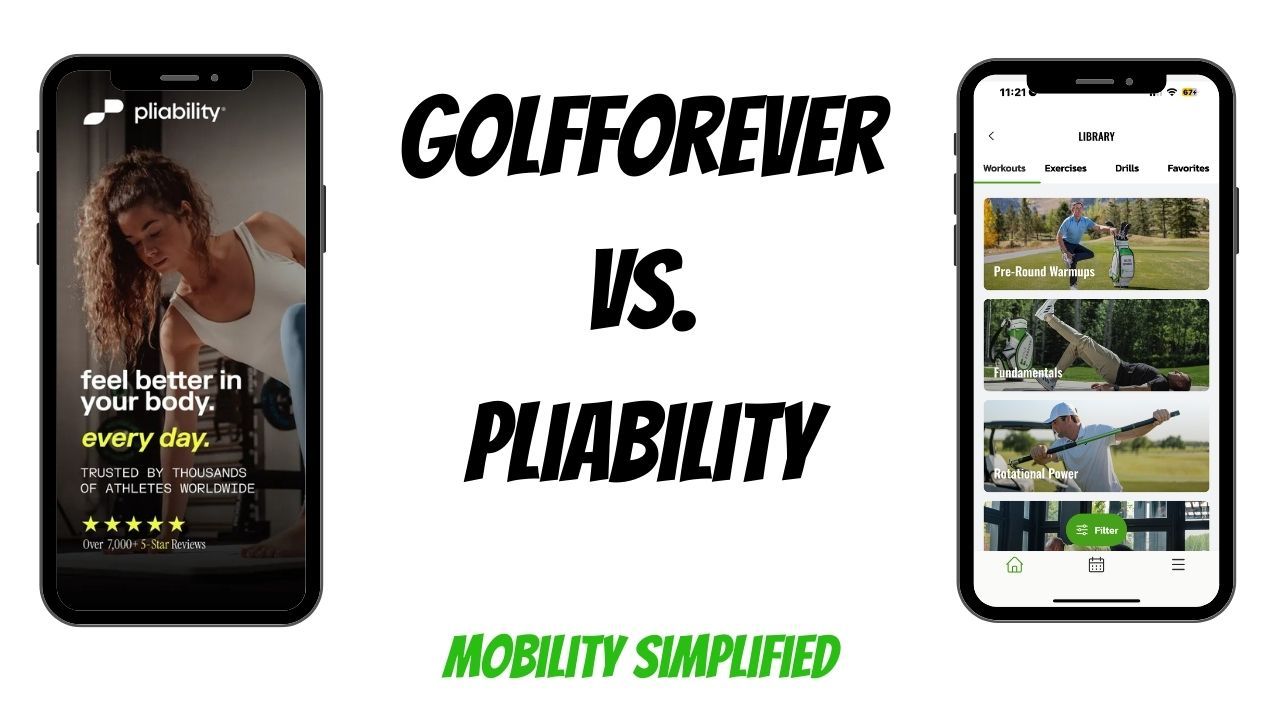
That’s exactly why tools like GolfForever and Pliability have become so popular. Both are designed to help golfers move better and stay healthier, but they approach the problem from very different angles.
As someone who takes golf fitness seriously—and as the author of The Wicked Smart Golf Fitness Formula—I look at these tools through a simple lens: Do they help you play better golf and support long-term health without overcomplicating things?
In this comparison, I’ll compare GolfForever vs. Pliability, where each one shines, and how golfers can use them intelligently—whether that means choosing one or combining both as part of a complete fitness system.
GolfForever vs. Pliability: Which Is Best For Golfers?
Before diving into the details, it’s important to understand one thing: Pliability and GolfForever solve different problems. They can complement each other but they are not interchangeable. Here’s a clear breakdown to help you decide which makes sense for your goals (or how to use both).
GolfForever
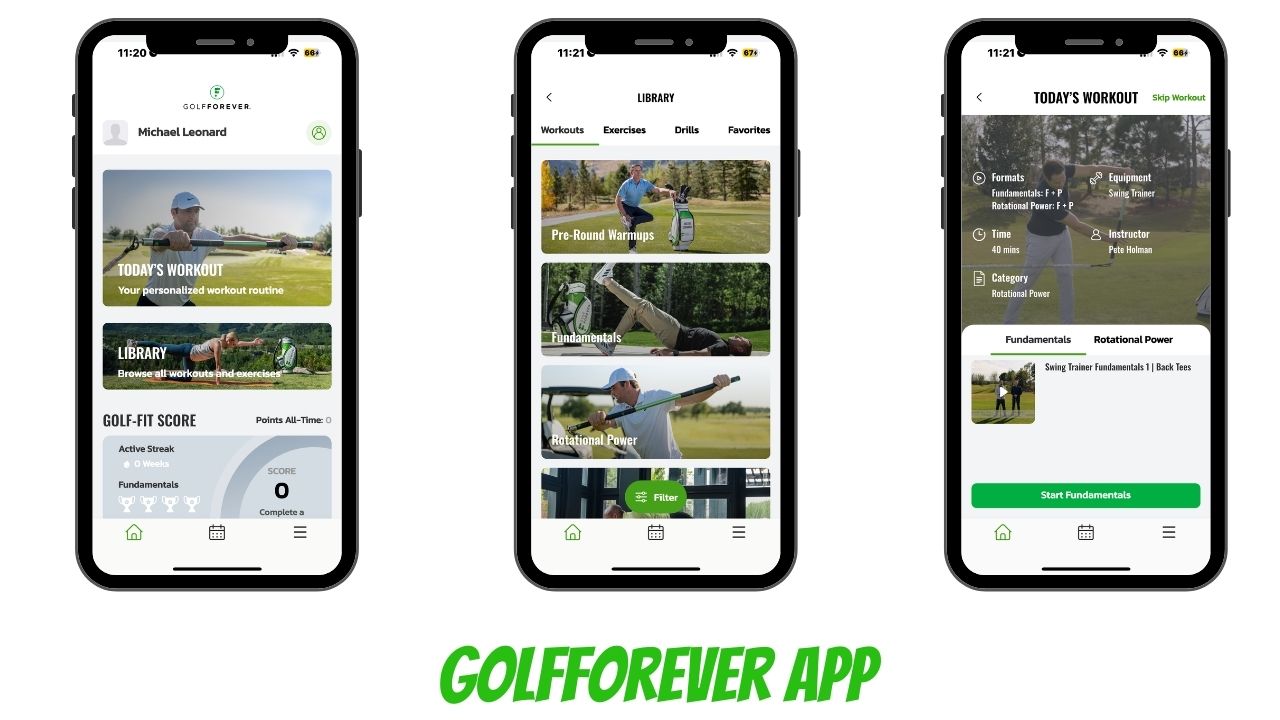
GolfForever is designed specifically for golfers, with routines built around how the golf swing loads and moves the body. The emphasis is on preparation, activation, stability, and movement quality that directly translates to playing better golf.
Rather than long passive stretching, GolfForever focuses on getting your body ready to perform—especially before range sessions, rounds, or speed training. It also includes mobility, balance, and strength elements, making it a more performance-oriented option.
For golfers who want to feel looser and swing more freely without forcing positions, GolfForever fits naturally into a golf routine.
Pros
- Can be used in the parking lot pre-round.
- Great to travel with and use in a hotel room or small gym.
- Excellent at-home golf workout system for golfers of all ages.
- Easy to integrate into golf days as part of a pre-round warm up.
- Focuses on activation, stability, mobility, and movement quality.
- Built specifically for golfers and trusted by PGA Tour players (including world #1, Scottie Scheffler)
Cons
- $300+ price point.
- Less emphasis on long, passive flexibility.
- More performance-focused than relaxation-focused.
For a full breakdown, you can read my complete GolfForever review here.
Pliability
Goal: Recovery + flexibility + mobility
Who it’s for: Golfers (and all athletes)
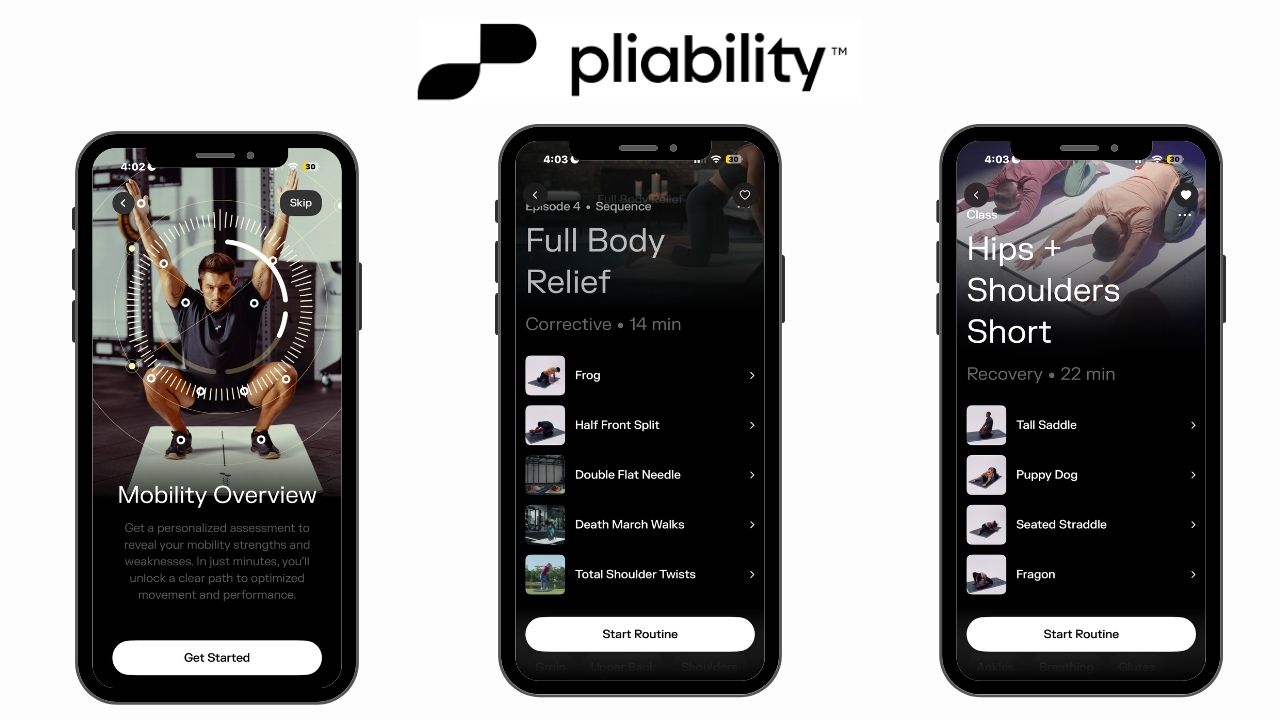
Pliability is best described as a guided flexibility and recovery app. It focuses on longer, slower sessions designed to improve range of motion, reduce stiffness, and support relaxation and recovery.
The app excels at providing structure for people who know they should be stretching but struggle to do it consistently. Sessions are calm, methodical, and feel closer to deep stretching or yin-style yoga than performance training.
For golfers, Pliability works best outside of practice and rounds—in the evening, before bed, or on rest days—to restore movement quality and offset the stiffness that builds up from golf, workouts, and daily life.
Pros
- The app is easy to follow
- 7-day trial to test it out
- Useful for golfers and non-golfers
- Excellent for flexibility and relaxation
- Simple, guided structure (no guessing).
- Great for evening or recovery sessions.
Cons
- Not nearly as golf-specific as other apps.
- More flexibility-focused than true mobility.
- Less emphasis on activation or performance readiness.
Want to learn more about the Pliability app? Read my full review here and see how it compares vs. Dynamic Golfers here.
Which One Should You Choose?
If your main goal is:
- Flexibility, relaxation, and recovery → Pliability
- Golf performance, warm-ups, mobility, and readiness → GolfForever
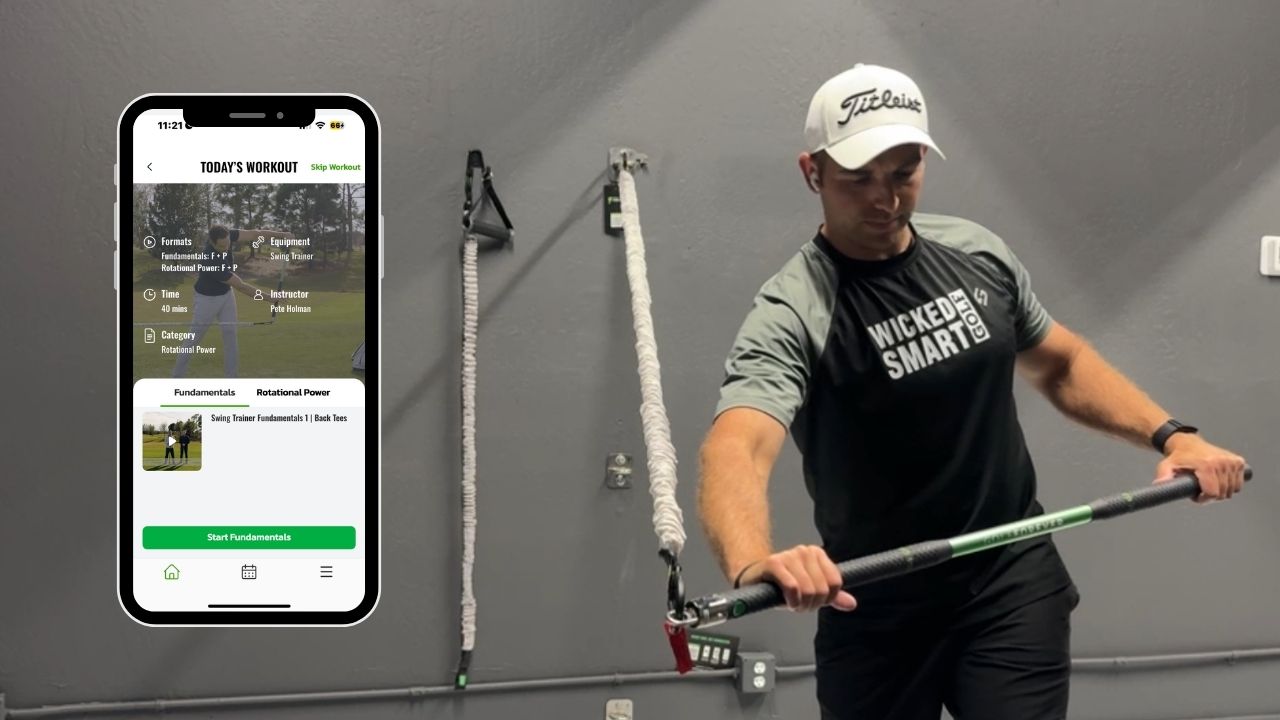
Many golfers (myself included) actually use both:
- Pliability at night or on rest days
- GolfForever before practice or rounds
That combination covers both sides of the equation of both performance and longevity. Pliability, on the other hand, shines when it comes to recovery and flexibility. It’s slower, more deliberate, and ideal for restoring range of motion, reducing stiffness, and calming the nervous system after long days or hard training. It supports longevity by helping your body recover so you can keep showing up consistently.
My Experience
Since 22024,I've gone all in on golf fitness because I want to play this game for decades to come. Ultimately, here’s what’s worked well for me and what I suggest:
- Use Whoop to track your sleep, workouts, and health.
- Focus on 10,000 daily steps and Zone 2 cardio to help build endurance.
- Build in mobility and flexibility to increase range of motion and avoid injuries with GolfForever.
- Strength train 2-3x a week with progressive overload throughout the year (check out Fit For Golf if you need help creating workout routines).
No app will magically fix your swing. But the right tools, used consistently, can remove physical limitations that quietly hold your game back.
If your goal is to play better golf now and still be playing strong years from now, think less about choosing a single tool and more about building a system that supports performance, health, and sustainability.
That’s where the real gains are made. My book, The Wicked Smart Golf Fitness Formula, breaks down the five areas to help you dial in your fitness routines and play better golf.
Closing Thoughts
As you can see, both apps have real benefits and both were on my list of the best golf fitness apps. But if you’re looking for optimal golf performance, GolfForever is the clear winner.
GolfForever is built to help you prepare to perform. It’s about arriving at the first tee feeling loose, activated, and ready to swing freely. The routines are golf-specific, time-efficient, and designed to fit naturally into practice days, speed training, and rounds.
>>Get started with GolfForever.
And make sure to use the code “WICKEDSMART” to save 15% on your investment.